Exploring the Rich History and Society Surrounding Liquor Around The Globe
The background of Liquor is a complex narrative woven through different cultures and ages. From ancient Chinese rice glass of wines to Sumerian barley beer, each region has left its mark on fermentation techniques. These drinks have actually offered not only as nourishment yet likewise as indispensable components of routines and celebrations. As craft distilling gains appeal today, one could ask yourself how these historical practices influence contemporary practices and what innovations are emerging in this age-old craft.
The Beginnings of Fermentation: Old Practices and Early State Of Minds
Although the specific origins of fermentation stay shrouded in secret, evidence recommends that ancient civilizations independently uncovered the process, offering increase to a few of the earliest spirits. Historical findings indicate that fermented beverages go back to as early as 7000 BCE in areas like China, where honey, fruit, and rice were combined to produce early alcohols. In Mesopotamia, the Sumerians established beer from barley, which is recorded in ancient texts and routines.
These very early methods of fermentation were usually unintended, as all-natural yeasts connected with sugars in food resources, creating alcohol. The process swiftly ended up being important to social norms, with different societies refining techniques and components with time. From the Egyptians' use of barley to the Andean peoples' chicha made from maize, these early spirits not only offered as food yet additionally as a way of social bonding, laying the foundation for the varied Liquor practices that would adhere to.
Liquor in Parties and rituals: A Social Viewpoint
Liquor plays a substantial role in different routines and celebrations throughout societies, typically acting as a symbol of unity and respect. Spiritual drinks are generally used in events, indicating regard and gratitude to greater powers. Additionally, toasts throughout congratulatory occasions foster a sense of area and shared pleasure, highlighting the social importance of these drinks.
Sacred Libations in Ceremonies
Throughout background, various cultures have actually incorporated sacred drinks right into their rituals and parties, acknowledging the extensive importance of these beverages in noting crucial life events. In numerous Indigenous practices, offerings of Liquor are made to honor deities and forefathers, representing thankfulness and link to the spiritual measurement. In Hindu ceremonies, for circumstances, offerings of rice white wine or various other spirits are important to rituals, representing filtration and blessing. In ancient Greek culture, white wine was put as a homage throughout festivals dedicated to gods like Dionysus, celebrating fertility and celebration. These spiritual libations act as channels between the physical and spiritual globes, cultivating area bonding and the expression of social identity via shared experiences and cumulative memory.
Salutes in Celebratory Events
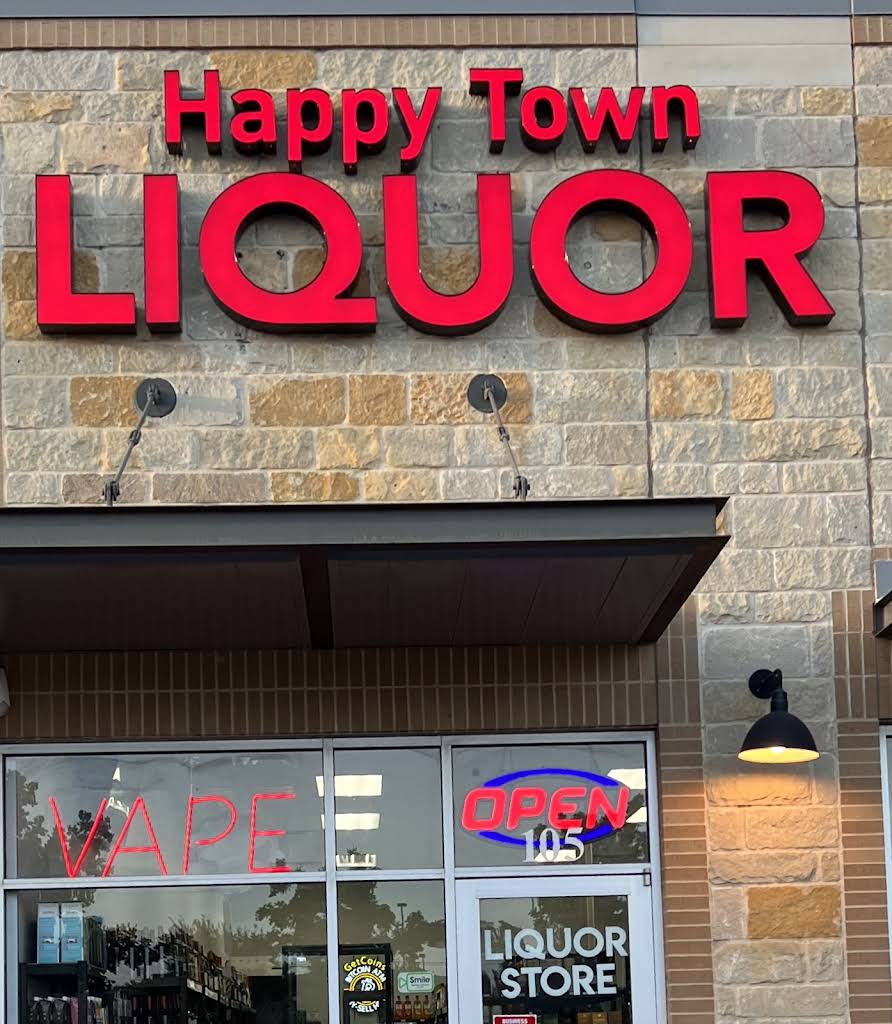
Regional Variations: Purification Techniques Throughout Continents
Around the world, purification techniques differ significantly, reflecting the distinct social methods and sources of each area. In Asia, typical approaches usually stress fermentation and neighborhood components, while European craft purification focuses on accuracy and heritage. Meanwhile, the Americas showcase their very own distinct techniques, blending advancement with indigenous methods to develop a diverse selection of spirits.
Standard Methods in Asia
While lots of areas in Asia boast rich traditions of Liquor production, the approaches of distillation differ substantially, mirroring neighborhood customizeds and available sources. In China, as an example, the manufacturing of baijiu uses a special fermentation procedure entailing sorghum and a solid-state distillation approach, which distinguishes it from various other spirits. Japan's sake-making concentrates on rice and uses a twin fermentation method that results in a clearly smooth flavor account. In Southeast Asia, countries like Thailand and Vietnam frequently produce rice-based spirits like lao khao and ruou, using standard pot stills that highlight artisanal workmanship. These varied approaches not just highlight regional active ingredients yet also preserve cultural heritage, showcasing the complex partnership between Liquor manufacturing and neighborhood identification throughout the continent.
European Craft Distillation
European craft distillation showcases a varied selection of strategies that mirror the continent's abundant cultural heritage and neighborhood sources. In countries like Scotland, conventional pot stills yield distinctive solitary malts, while Italy welcomes column purification for its high-grade grappa. France is understood for its artisanal strategy to cognac and armagnac, highlighting the relevance of terroir in flavor development. On The Other Hand, Eastern European countries typically make use of distinct active ingredients, such as rye and fruits, in their vodka manufacturing, maintaining old-time dishes. The resurgence of craft distilleries throughout Europe has brought about ingenious methods, blending ancient approaches with contemporary tastes, consequently enriching the craft spirit landscape. These regional variations add to a dynamic tapestry of European Liquor customs, valued by enthusiasts worldwide.
Distinct Methods in Americas
Although the Americas flaunt a vast array of purification strategies, they are frequently defined by unique regional components and regional impacts. In the United States, bourbon production depends greatly on corn, with a details aging process in charred oak barrels, leading to an abundant taste profile. In Mexico, the manufacturing of mezcal displays the use of agave, employing typical approaches such as roasting the piñas in underground pits, which gives an one-of-a-kind smokiness. South America offers its very own variants, with cachaça from Brazil being distilled from fresh sugarcane juice, offering a fresh and vibrant taste. Each method reflects the cultural heritage and agricultural practices of the region, contributing to the varied landscape of Liquor manufacturing throughout the continent.
The Duty of Liquor in Social Gatherings and Area Life
Liquor has actually long worked as a driver for social interaction, reinforcing and fostering connections community bonds. Throughout different societies, shared drinking experiences typically signify friendliness, party, and the forging of relationships. In lots of cultures, gatherings focus on the usage of Liquor, whether throughout celebrations, household reunions, or informal meet-ups.
In setups such as clubs, red wine cellars, and local distilleries, the act of delighting in a drink with each other produces an ambience of friendship. Standard salutes and rituals boost these experiences, noting milestones and recognizing common histories. For some communities, details alcohols symbolize cultural identity and heritage, strengthening social cohesion.
Liquor can facilitate discussions and bridge divides, permitting individuals from diverse backgrounds to link. Inevitably, the duty of Liquor in celebrations goes beyond plain usage, symbolizing a much deeper significance in neighborhood life and human link.
The Development of Liquor Production: From Craft to Sector
As the demand for varied alcohols has actually boosted globally, the advancement of Liquor manufacturing has actually changed from small craft approaches to massive commercial processes. Historically, Liquor was generated by artisans utilizing typical techniques, highlighting unique flavors and regional active ingredients. This craft method permitted a personal touch, commonly resulting in distinct regional spirits.
Nevertheless, the surge of globalization and technological innovations resulted in the commercialization of Liquor manufacturing. Large distilleries emerged, using mechanization and mass manufacturing techniques to fulfill consumer needs effectively - Liquor Store near me. This change allowed consistent high quality and broader circulation, changing Liquor into a commonly accessible item
In spite of the industrialization of Liquor production, a counter-movement has actually emerged, with several consumers looking for authentic, handcrafted spirits. This has triggered a renewal in craft distilling, combining typical methods with modern-day marketing strategies, as producers aim to satisfy a discerning clientele while taking care of the complexities of an international market.
Modern Trends and Innovations in the World of Spirits
With the expanding passion in special taste accounts and sustainable methods, the spirits industry is experiencing a wave of modern patterns and developments. Craft distilleries are progressively explore local ingredients, developing distinctive spirits that reflect regional characteristics. This trend stresses authenticity and narration, allowing consumers to get in touch with the product on an individual level.
Furthermore, innovation plays a significant duty in the evolution of spirits production. Advancements in purification techniques and taste removal approaches enable producers to improve their offerings, boosting top quality and consistency. The rise of low-alcohol choices and ready-to-drink cocktails cater to health-conscious customers, mirroring moving preferences in drinking culture.
Sustainability is an additional focal factor, with many brands embracing environment-friendly packaging and manufacturing techniques. By prioritizing environmental obligation, distillers not just appeal to a conscious consumer base yet additionally add to a more sustainable future for the spirits sector.

Frequently Asked Questions
What Are the Health Consequences of Moderate Liquor Intake?
The health and wellness effects of modest Liquor consumption can include prospective advantages such as improved heart health and wellness and social bonding, while likewise positioning threats like enhanced opportunities of particular cancers and liver problems if intake exceeds suggested limitations.
How Has Liquor Influenced Global Profession and Economic Climate?
Liquor has actually substantially influenced global profession and economic situation by cultivating global business, developing jobs in production and distribution, and adding to tax obligation earnings. Its need drives farming industries, forming economic relationships amongst creating and taking in nations.
What Function Do Ladies Play in the Liquor Sector?

Are There Eco Lasting Practices in Liquor Manufacturing?
Environmental sustainability in Liquor production is significantly focused on. Producers take on techniques like chemical-free farming, water preservation, and waste reduction. These initiatives intend to reduce environmental influences while promoting responsible consumption and sustaining local neighborhoods in their practices.
Exactly how Do Laws Around Liquor Vary by Country?
Legislations regulating Liquor vary Liquor Store substantially by nation, affected by social, religious, and historic aspects. Some nations impose rigorous laws on production and sales, while others embrace more liberal methods, mirroring varied social mindsets toward alcohol consumption.
While several areas in Asia boast rich practices of Liquor manufacturing, the approaches of purification differ significantly, showing offered sources and local personalizeds. As the demand for varied alcoholic beverages has enhanced globally, the development of Liquor manufacturing has changed from small craft approaches to large-scale industrial processes. In spite of the industrialization of Liquor manufacturing, a counter-movement has actually emerged, with several customers seeking authentic, handcrafted spirits. Liquor has significantly influenced worldwide trade and economic climate by cultivating global business, developing tasks in production and circulation, and contributing to tax obligation earnings. Women play a considerable function in the Liquor sector, contributing to manufacturing, monitoring, and advertising and marketing.